



Last updated: May 2026. A practical, no-hype guide to choosing an ice bath or cold plunge in Singapore — from someone who builds them.
The short answer
For most people in Singapore, the best home setup is a chiller-based cold plunge — a tub paired with a unit that chills the water on demand (as low as roughly 1–3°C depending on the model) and holds it there, with built-in filtration so the same water stays clean for weeks. It plugs into a normal household socket, needs no plumbing, and avoids the cost, mess and hassle of buying ice every day. Budget roughly S$5,000–6,500 for a portable inflatable tub with a chiller, and S$6,500–10,500+ for an integrated solid plunge. The most important things to compare are the chiller, filtration and sanitation, build quality, and local warranty and support.
The rest of this guide explains how to get there.
Ice bath vs cold plunge vs "hot & cold"
The terms get used interchangeably. An ice bath traditionally means a tub you fill with water and bags of ice. A cold plunge usually means a purpose-built tub kept cold by a chiller — no ice required. A hot & cold plunge adds a heater, so the same unit can also run as a warm or hot bath.
One honest point most brands gloss over: a single chiller-and-heater tub does not give you instant contrast therapy. Switching the same water from cold to hot (or back) takes time, because the unit has to re-cool or re-heat the whole tub. The heating function is really about versatility — you can use the tub as a warm soak too, which is genuinely useful in cooler climates, for travel, or on a tired evening. For true, back-to-back contrast therapy, you want two stations — one cold and one hot — or a cold plunge paired with a sauna.
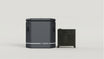
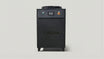
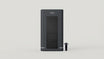
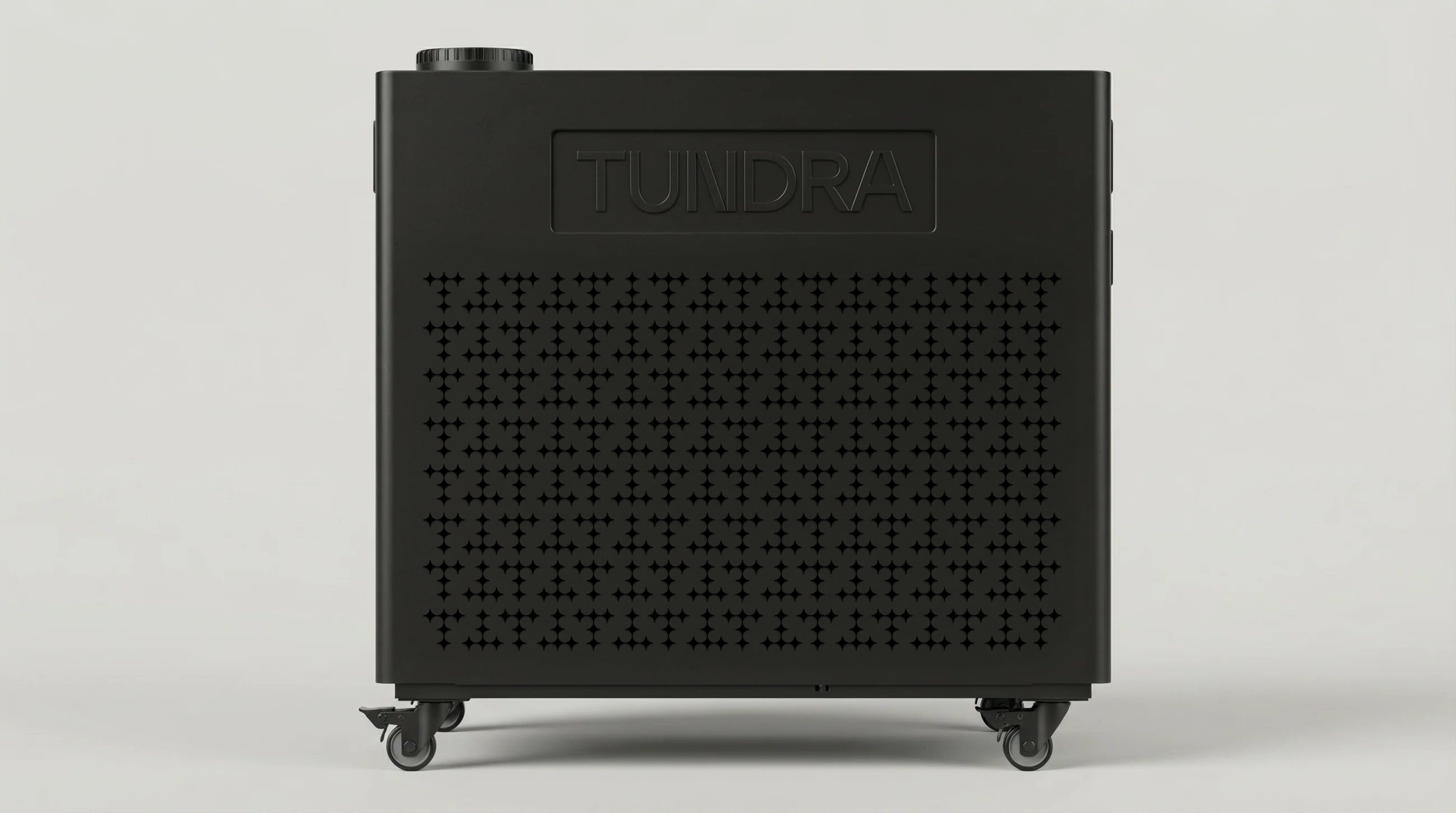
TUNDRA's Borealis chiller and heater runs 3–42°C; the all-in-one Taiga reaches 2°C, and the compact Borealis CC spans 1–45°C.

The three ways to cold plunge at home
1. DIY: a tub or chest freezer + ice
The cheapest entry point, and the most painful long-term. Bagged ice in Singapore adds up fast, the water turns dirty quickly, and converted chest freezers carry real safety risks (water near mains electricity). Fine for testing the habit; poor as a daily setup.
2. Portable inflatable tub + chiller
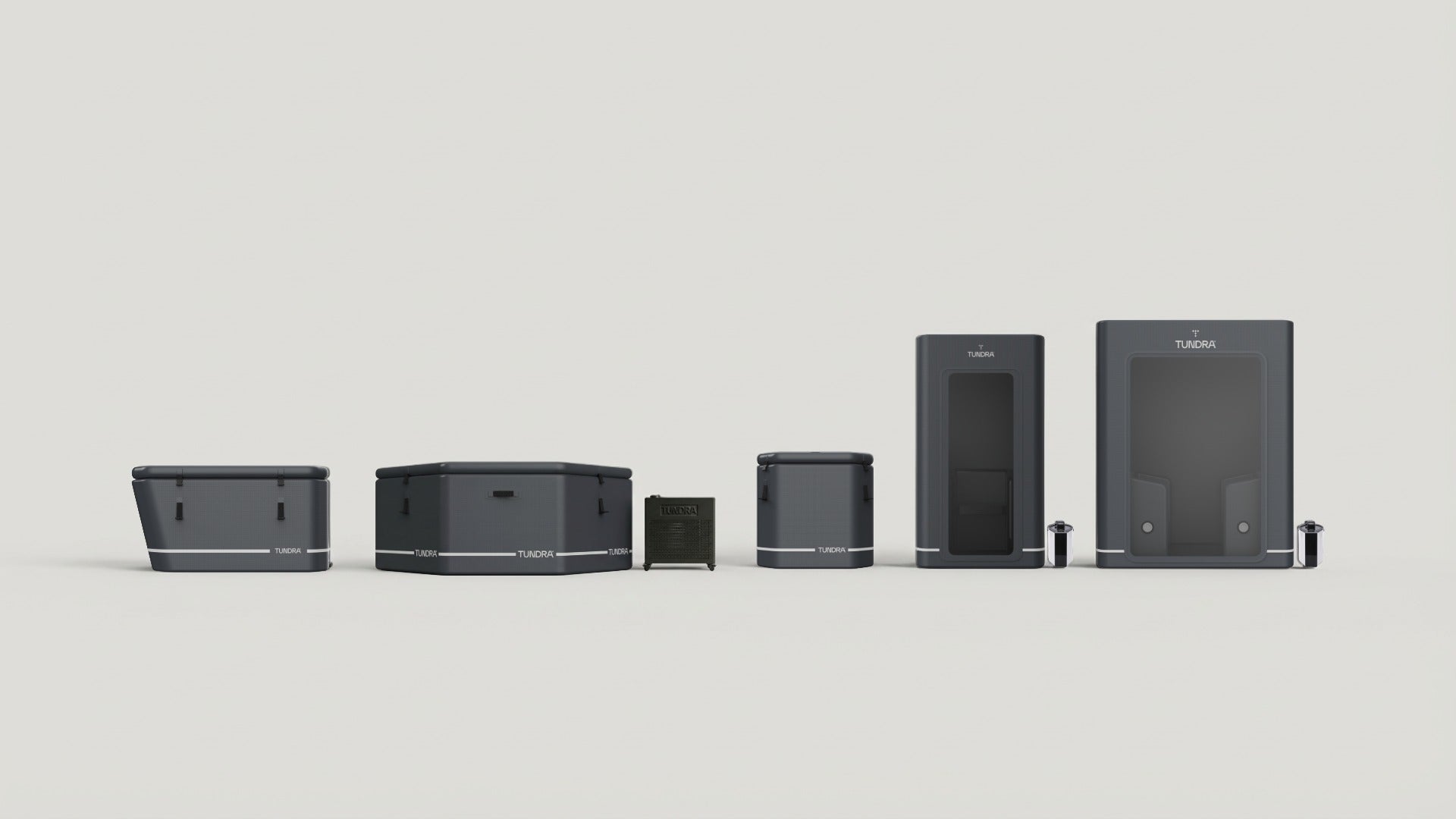
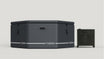
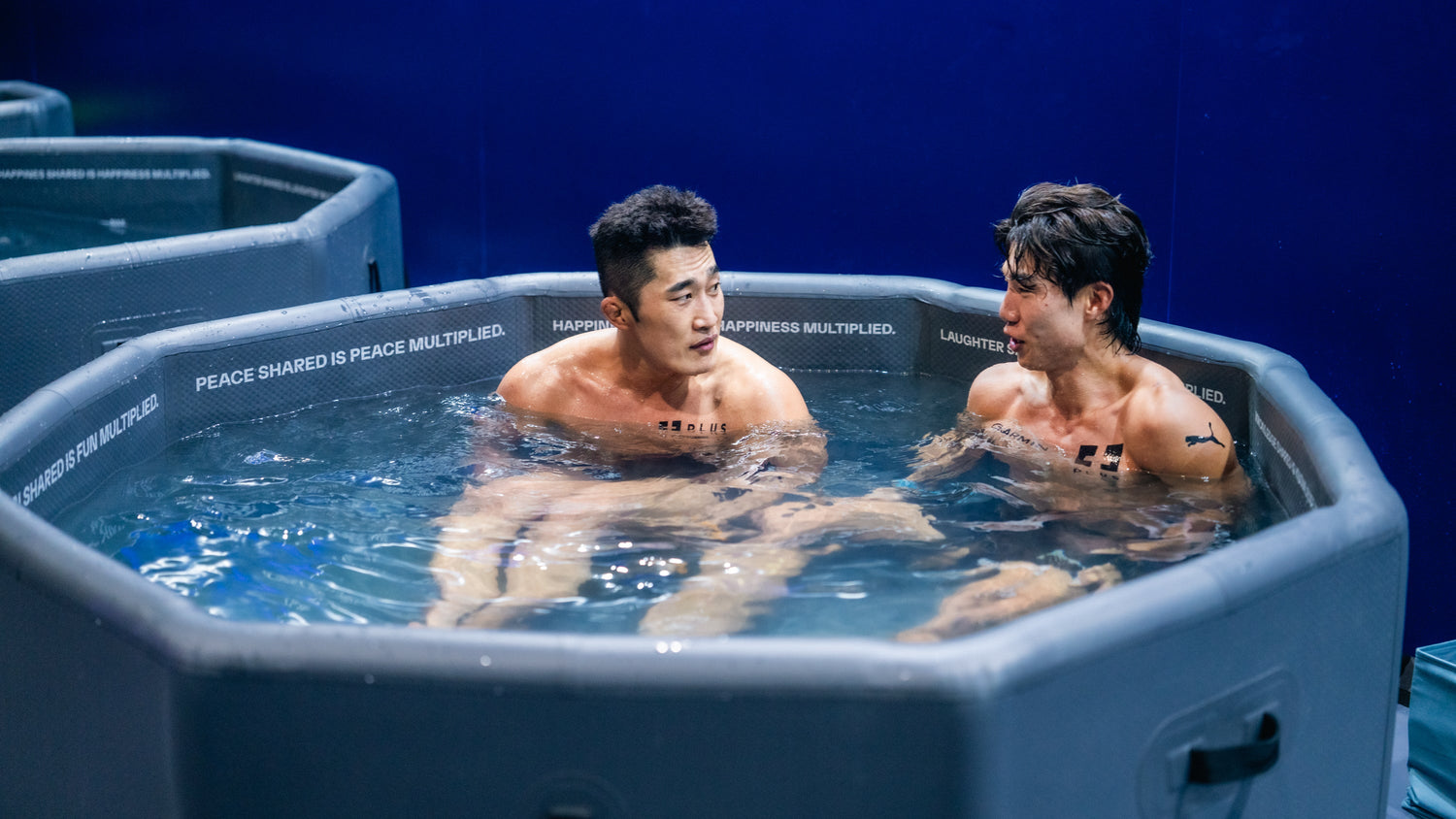
A lightweight, drop-stitch tub paired with a chiller. Sets up in minutes, packs away, and moves with you — ideal for apartments, balconies, events and renters. See our inflatable cold plunges.

3. Integrated or solid plunge
A permanent, insulated tub — acrylic, stainless steel or cedar — often with the chiller built in. The most refined daily experience, the best insulation (lower running cost), and a genuine design piece. See our solid plunges, or the all-in-one Taiga with its chiller integrated into the tub.

What to look for (the 8 things that actually matter)
- Cooling power and temperature range. Can it hold a genuinely cold temperature in Singapore's heat and humidity? Check the range: the Borealis runs 3–42°C, the Taiga 2–42°C, the Borealis CC 1–45°C.
- Do you want a heater too? A heater makes the unit versatile (use it as a warm bath), but it won't deliver instant contrast — re-heating a tub takes time. If fast contrast is the goal, plan for two units or a sauna.
- Filtration & sanitation. This is what lets you keep the same water for weeks instead of draining after every use. Look for a micron filter plus ozone or equivalent sanitation.
- Size & space. Check the filled footprint and the clearance the chiller needs for airflow. Measure your balcony, patio or bathroom first.
- Power & installation. A good home unit runs on a standard household socket with no special wiring. Avoid anything needing a dedicated circuit unless you're doing a commercial install.
- Insulation. Better insulation = stable temperature = lower electricity bill. Double-walled, covered tubs cost less to run.
- Build quality & durability. It lives outdoors or in a wet area. Weatherproof housing (look for an IP rating) and quality materials pay off over years.
- Local warranty & support. The one most people forget. A chiller is an appliance — when something needs servicing, you want a team in Singapore, not an overseas email address.
How cold, how long, how often?
As a general starting point, most people use a temperature of around 10–15°C for 2–5 minutes, a few times a week, adjusting colder and longer with experience. Colder is not automatically better — comfort and consistency matter more than extremes. Always enter gradually, breathe slowly, and get out if you feel unwell.
Cold-water immersion isn't for everyone. If you have a heart condition, high blood pressure, are pregnant, or have any medical concern, speak to a doctor before starting. Never plunge alone if you're new to it.
What does it cost to run in Singapore?
This is the question buyers worry about most, and the honest answer is: less than you'd think, if the tub is well insulated. Singapore's regulated electricity tariff is about S$0.30 per kWh (29.72 cents incl. GST, Apr–Jun 2026). A chiller draws its full power only while actively cooling or heating; once the water reaches your set temperature, a good system drops into a low-power maintenance mode.
As a rule of thumb, every 100 W of continuous draw costs about S$0.72 a day at that tariff. A well-insulated, covered plunge holding temperature typically averages well below its peak rating, so most home users land in the region of a few Singapore dollars a day — far less than a daily bag of ice. Insulation and a fitted cover are the biggest levers on this number.
What you'll pay in Singapore
- DIY / inflatable tub only (no chiller): a few hundred Singapore dollars — but you're buying ice forever.
- Inflatable tub + chiller: roughly S$5,000–6,500 (e.g. the Yukon, Lena and Oasis systems).
- Chiller only (if you already own a tub): from about S$3,990 for the Borealis.
- Integrated or solid plunge: roughly S$6,500–10,500+ depending on materials and chiller power (e.g. Polaris, Tavik, Taiga).
- Commercial-grade setups (gyms, studios, high traffic): more, with stronger chillers.
Prices are indicative — see each product page for current pricing.
For reference, TUNDRA's all-in-one Taiga sits in the premium integrated tier, while a Yukon inflatable system with a Borealis chiller is a popular mid-range starting point.
Buying locally in Singapore
Equipment is only half the purchase — the other half is what happens after delivery. Buying from a Singapore-based brand means local delivery and commissioning, a warranty you can actually claim, and a service team that can come to you. TUNDRA delivers and supports across Singapore and Southeast Asia, and our technical support is handled locally.
Not ready to commit? Trying before buying is the smartest first step — a short rental lets you test the habit in your own space. Explore ice bath rentals.
How to choose — quick picks
- Apartment, balcony or renting? A portable inflatable plunge with a Borealis chiller.
- Want the best daily experience and a design piece? An integrated solid plunge like the Taiga.
- Already own a tub? Just add a Borealis chiller & heater.
- Want true contrast therapy? Run two stations — one cold, one hot — or pair a cold plunge with a sauna.
Browse the full range of cold plunges and hot & cold tubs to compare models.
Frequently asked questions
Do I need to add ice to a cold plunge?
No. A chiller-based plunge cools the water for you and holds the temperature, so there's no ice to buy or refill.
Can one tub do hot and cold for contrast therapy?
A hot & cold unit can run as either a cold plunge or a warm bath, but switching the same water between hot and cold takes time — it isn't instant. For back-to-back contrast therapy, use two units (one cold, one hot) or pair a plunge with a sauna.
How often do I change the water?
With proper filtration and sanitation, typically every few weeks rather than after each use — exact timing depends on how often it's used and how well it's maintained.
Does it need special wiring or plumbing?
A good home plunge runs on a standard household socket and needs no permanent plumbing — you fill and drain with a hose.
Can I use it indoors and outdoors?
Yes, if it's built for it. Look for weatherproof (IP-rated) housing if it'll live on a balcony or patio.
The bottom line
If you're buying once and buying well in Singapore, prioritise cooling power, real filtration, solid insulation, and local support over the lowest sticker price. Decide whether you want a heater for versatility, and if you're after true contrast therapy, plan for a second hot station or a sauna. Get those right and the plunge becomes something you'll actually use every day. Step in, breathe, and return to yourself.
This guide is general information, not medical advice. Consult a healthcare professional before beginning cold-water immersion, especially if you have any underlying health condition.

Hinterlasse einen Kommentar
Diese Website ist durch hCaptcha geschützt und es gelten die allgemeinen Geschäftsbedingungen und Datenschutzbestimmungen von hCaptcha.