











Singapore’s recovery culture has shifted. What was once a gym amenity is now coming home — and for good reason. A well-chosen sauna is one of the most effective tools for deep recovery, stress regulation, and cardiovascular health you can install in your own space.
Finnish or infrared? Outdoor or indoor? S$8,000 or S$25,000? This guide gives you a clear, honest framework for making the right call.
Finnish Sauna vs Infrared Sauna: The Essential Difference
Before comparing products, you need to understand what you’re buying.
Finnish (Traditional) Sauna

A Finnish sauna uses an electric or wood-fired heater to warm a room — typically to 70–100°C. The heat is dry, with the option to add steam by pouring water over hot stones (löyly). Your body responds by sweating deeply, vasodilating, and activating the full heat-stress response.
Finnish sauna is the most extensively researched sauna type. A landmark Finnish study following 2,315 men over 20 years found that sauna use 4–7 times per week was associated with a 40% lower risk of all-cause mortality compared with once-weekly use. The mechanisms include improved cardiovascular function, reduced systemic inflammation, and parasympathetic nervous system activation.
Best for: Deep heat ritual, cardiovascular benefits, löyly (steam), long sessions, contrast therapy with cold plunge.
Infrared Sauna

An infrared sauna uses radiant heat — electromagnetic wavelengths that penetrate the skin directly rather than heating the surrounding air. Temperatures are lower (typically 40–60°C), making sessions feel more accessible, particularly for those who find high-heat environments uncomfortable.
Infrared is popular for muscle recovery, joint relief, and skin benefits. The lower ambient temperature means longer sessions are easier to sustain.
Best for: Gentler sessions, chronic pain and joint recovery, first-time sauna users, smaller indoor spaces.
Side-by-Side Comparison
| Finnish Sauna | Infrared Sauna | |
|---|---|---|
| Temperature | 70–100°C | 40–60°C |
| Heat-up time | 30–40 min | 10–15 min |
| Humidity | Low (5–20%) + löyly option | Very low |
| Research depth | Extensive (20+ year studies) | Growing |
| Power draw | 6–12 kW (dedicated circuit) | 1.5–5 kW (often standard socket) |
| Best for | Full ritual, contrast therapy, cardiovascular | Joint recovery, gentler daily use |
| Space needed | Minimum 1.5×1.5 m | Can be smaller |
| Singapore placement | Outdoor preferred (cedar/thermowood) | Indoor or outdoor |
5 Things to Evaluate Before Buying a Home Sauna in Singapore
1. Indoor or Outdoor?

Singapore’s humidity is constant and affects both material choice and placement. Outdoor saunas need weather-resistant timber — cedar and thermally modified ash are the best options, both naturally resistant to moisture and humidity cycling — and good drainage beneath the structure. Indoor saunas require adequate ventilation and a space that can handle heat and moisture load. Condominiums and apartments often have tight constraints — check with your building management before planning an installation.
2. Size and Capacity

Sauna sizing is quoted in people-capacity, but the more useful measure is internal bench length. A 2-person sauna is comfortable for one person lying down — which is the ideal position for a long session. Don’t undersize: if you have outdoor space for a 2-person sauna, consider a 3–4 person. You’ll be glad of the bench room.
3. Heater Quality and Wattage

The heater is the heart of the sauna. For Finnish-style heat, look for a minimum of 6 kW for saunas under 10 m³. Harvia is the global benchmark for residential electric sauna heaters: Finnish-made, reliable, and designed specifically for the conditions a sauna operates in. A quality heater should last 10–15+ years with normal use.
4. Timber Species

Timber choice affects how the sauna feels, smells, and ages. For outdoor installations in Singapore, Canadian red cedar (aromatic, naturally antimicrobial, excellent moisture resistance) and thermally modified ash (heat-treated for dimensional stability) are the strongest performers. Hemlock and aspen work well for indoor saunas where aroma and moisture load are lower.
5. Installation and After-Sales
A sauna is a structural installation. You want a supplier who handles delivery, assembly, and commissioning — and who will still be reachable two years later when a heating element needs replacing. Ask specifically: who installs, what is the typical lead time, what happens if something fails, and whether spare parts are locally stocked.
How Much Does a Home Sauna Cost in Singapore?
| Tier | Price range | What you get |
|---|---|---|
| Entry-level pre-fab | S$3,000–8,000 | Basic timber, entry-level heaters |
| Mid-range | S$8,000–15,000 | Better timber, quality heater brands |
| Premium outdoor Finnish | S$15,000–25,000+ | Cedar/thermowood, European heaters, installation |
| Fully custom build | S$20,000+ | Bespoke dimensions, glass, outdoor integration |
The gap between cheap and quality is significant in saunas. Timber quality, heater reliability, and construction precision determine how much you’ll enjoy the sauna in five years — not just the day it arrives.
Contrast Therapy at Home: Sauna + Cold Plunge

The most powerful home recovery setup isn’t a sauna alone — it’s sauna paired with a cold plunge. Alternating between deep heat and cold immersion activates the body’s vascular response more completely than either modality alone: heat dilates blood vessels and elevates core temperature; cold constricts, flushes, and sharpens.
The protocol is simple: 10–15 minutes in the sauna, 2–3 minutes in the cold, repeat 2–3 cycles. Finish cold for alertness, or warm for recovery and sleep.
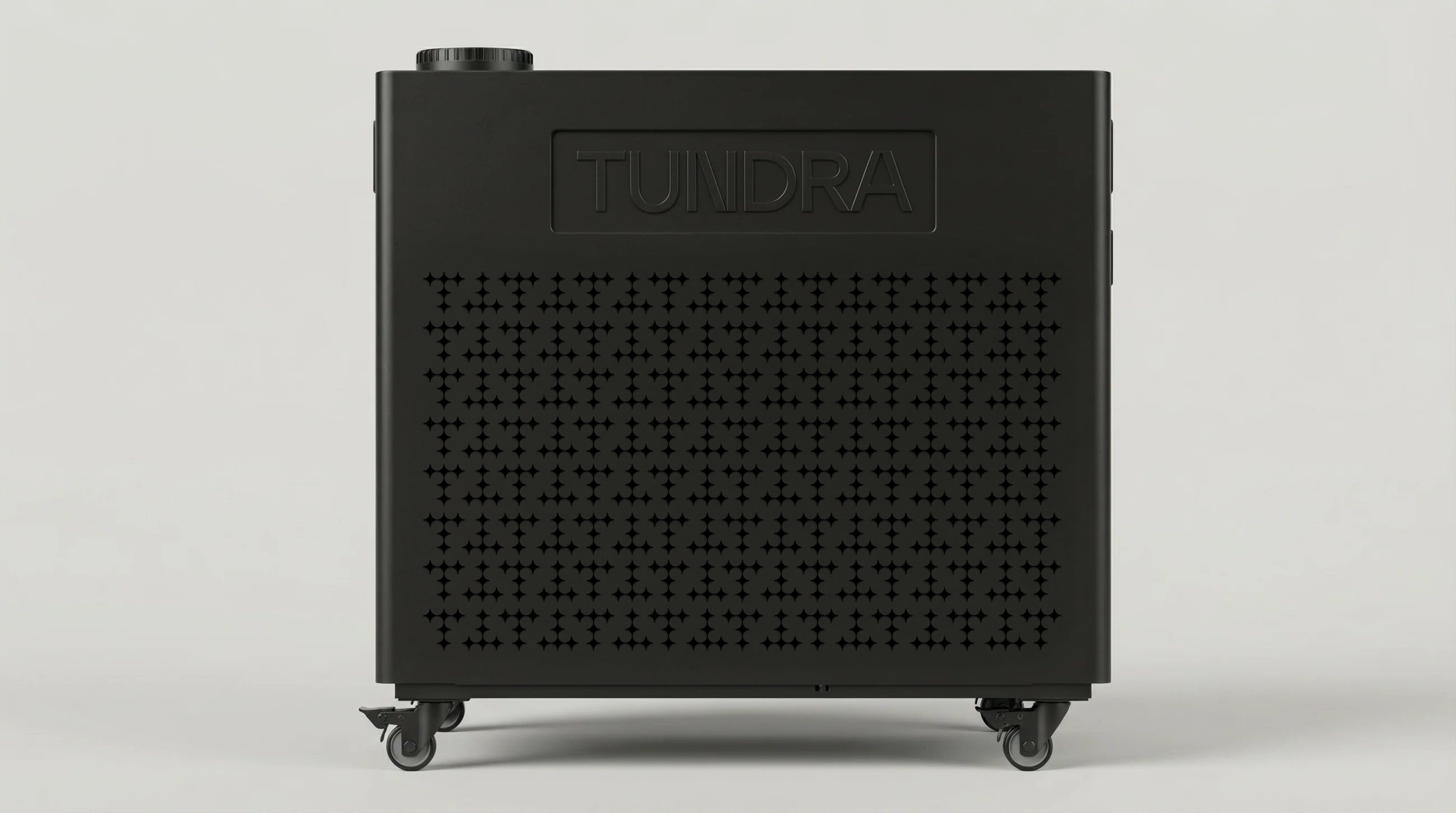
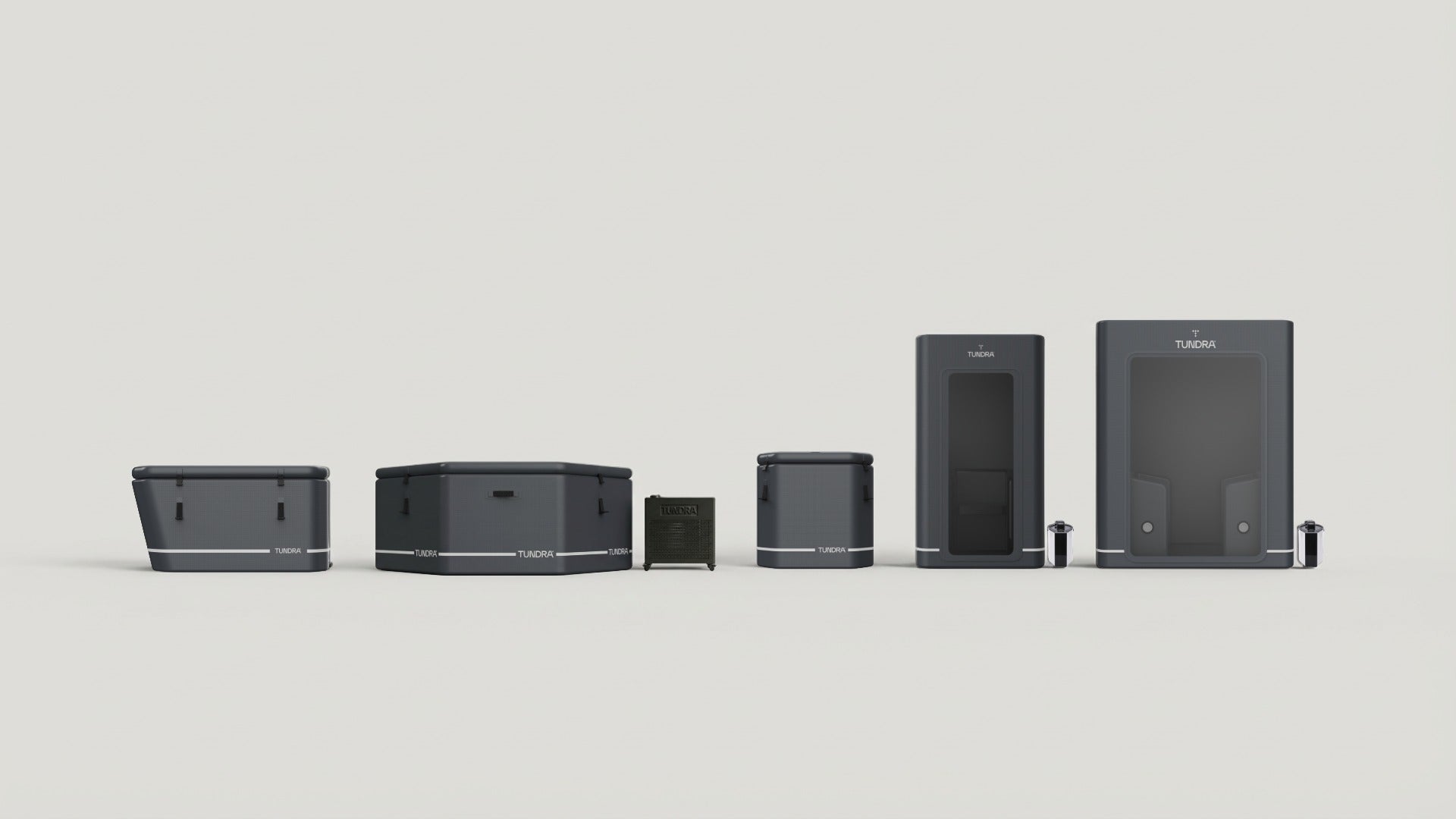
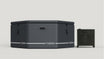
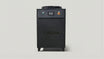
To achieve true contrast therapy, you need two stations — a sauna and a dedicated cold plunge with a chiller. The ideal setup is a sauna alongside a Borealis™ chiller-paired cold plunge, both ready at temperature. Shop Borealis
TUNDRA Haven
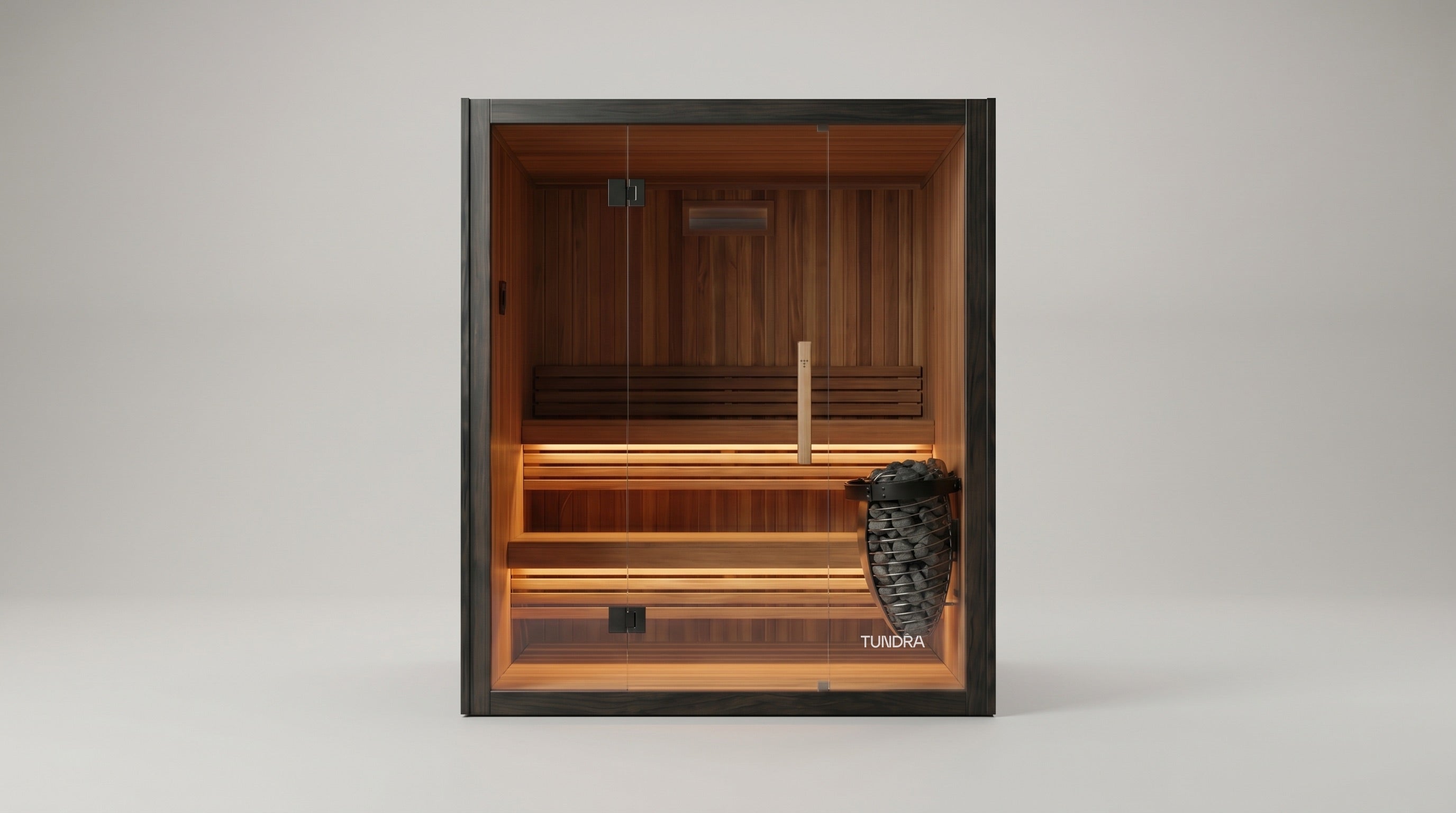
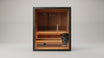
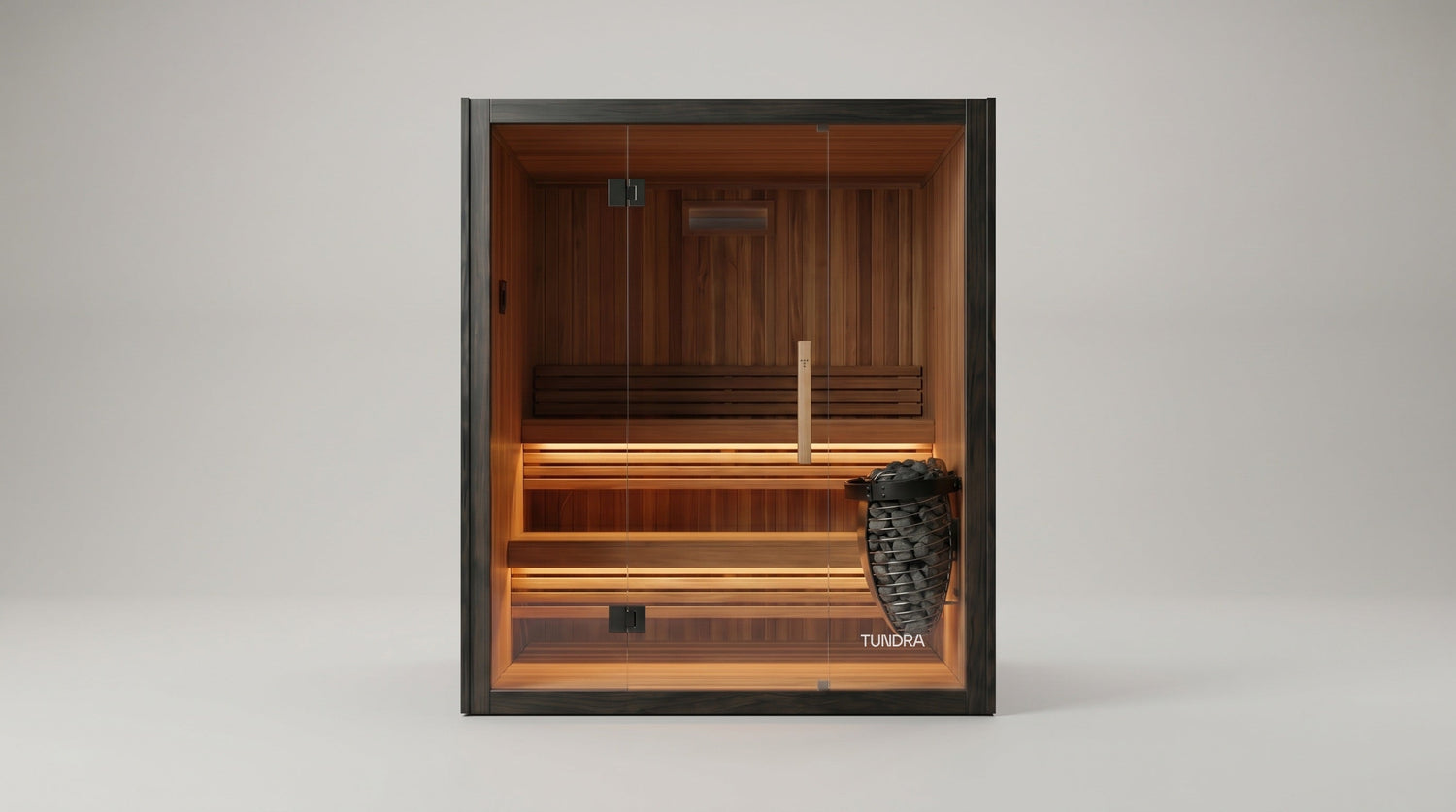
The Haven is TUNDRA’s outdoor Finnish sauna — built in Canadian red cedar around a Harvia 6 kW heater. Designed for the long ritual: real heat, real steam, the smell of cedar, and the stillness of a session that takes you somewhere else.
For non-standard spaces — different dimensions, specific timber species, glass configurations, or integration with an existing pool or deck — TUNDRA builds fully custom saunas. Get in touch to discuss your space.

See It in Singapore

Before committing, come and experience it. TUNDRA’s Singapore showroom has both a cold plunge and sauna setup running — you can feel the materials, test the heat, and talk through your space with the team. Find us here.